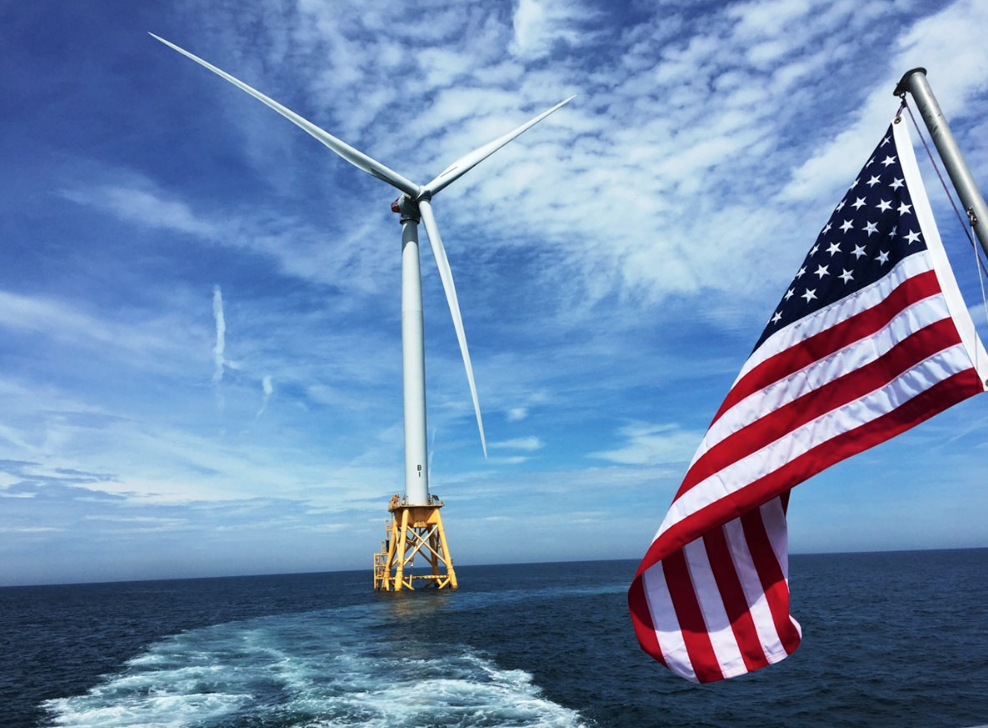
In a refreshing display of fiscal responsibility and environmental pragmatism, the Trump administration has pulled the plug on $679 million (£500 million) in federal funding that was earmarked for offshore wind infrastructure at ports across the United States. This decisive action, announced amid growing scrutiny of so-called “green” energy schemes, strikes a major blow against the overhyped ambitions of the previous administration’s clean energy agenda. Far from being a setback, this cancellation is a much-needed course correction, redirecting taxpayer dollars away from inefficient, costly, and environmentally dubious projects toward more practical priorities. After all, offshore wind turbines aren’t the eco-saviours they’re cracked up to be, they’re unreliable eyesores that drain resources while posing real threats to wildlife and marine ecosystems. In short, wind turbines suck.
The funding in question was slated for 12 projects awarded under the Biden era, with California’s Humboldt Bay Offshore Wind Heavy Lift Marine Terminal set to gobble up a whopping $426 million alone. These initiatives aimed to transform ports into specialized hubs for assembling and deploying massive wind turbines, essentially turning coastal areas into industrial zones for a technology that’s proven to be more trouble than it’s worth. Transportation Secretary Sean Duffy nailed it when he labeled these ventures “wasteful,” announcing that the funds will instead go toward “critical port upgrades.” Think about it: instead of pouring money into fleeting fads, we’re investing in infrastructure that actually supports commerce, shipping, and national resilience. This isn’t just smart—it’s essential in an era where ports face real challenges like aging facilities and supply chain vulnerabilities.Let’s be clear: offshore wind has been sold as a key pillar of Biden’s pie-in-the-sky goal to deploy 30 gigawatts of capacity by 2030, supposedly powering 10 million homes and creating over 77,000 jobs. But scratch beneath the surface, and the picture isn’t so rosy. Wind energy is notoriously intermittent, meaning it only generates power when the wind blows—just about 30-40% of the time on average for offshore setups, leaving grids scrambling for backups from more reliable sources like natural gas or nuclear.
This inefficiency forces utilities to maintain duplicate systems, driving up overall energy costs for consumers. And speaking of costs, building and maintaining these behemoths is astronomically expensive. Offshore wind farms demand specialized vessels, undersea cables, and constant repairs in harsh marine environments, often ballooning budgets far beyond initial estimates.
Economists have long warned that the promises of rapidly falling costs through economies of scale are little more than wishful thinking, making offshore wind uncompetitive against cheaper alternatives. Why subsidise a technology that’s already facing rising expenses, higher interest rates, and political headwinds when we could focus on proven, affordable energy options?Even worse, the “green” label slapped on wind turbines is a total misnomer. Far from being environmentally friendly, these structures wreak havoc on wildlife and ecosystems. Birds and bats, in particular, suffer massive casualties from blade collisions, with estimates showing thousands killed annually at wind farms, contributing to population declines in vulnerable species. Offshore setups act as deadly barriers along migratory routes, forcing animals to detour and expend extra energy, which can lead to higher mortality rates.
Marine life isn’t spared either, construction noise disrupts whales, fish, and other sea creatures, potentially altering spawning patterns, larval dispersal, and even entire species distributions. Studies highlight increased risks of marine ecotoxicity, eutrophication, and habitat changes that introduce non-native species, all while depleting metals through resource-intensive manufacturing. And let’s not forget the visual and noise pollution: these towering monstrosities spoil pristine ocean views and generate low-frequency sounds that can affect everything from local fisheries to human communities nearby. If we’re serious about protecting the planet, propping up wind farms that harm biodiversity and disrupt ecosystems is the last thing we should do.
Industry cheerleaders and Democrats are predictably up in arms, decrying the move as a threat to jobs and clean energy targets. Rep. Jared Huffman (D-Calif.) went so far as to call it “a new level of idiocracy,” accusing the administration of “destroying a clean energy sector and killing good jobs.” But let’s get real, these jobs are largely artificial, propped up by billions in government handouts that could evaporate once the subsidies dry up. Humboldt Bay Port Director Chris Mikkelsen lamented that the cancellation hurts rural economies, dubbing it “the biggest economic opportunity we’ve seen in a century.” Sure, it might sting short-term, but tying communities to boom-and-bust cycles of subsidised wind projects isn’t sustainable development it’s a recipe for dependency. Redirecting those funds to genuine port improvements will create lasting, versatile jobs that benefit everyone, not just a niche industry.
Adding to the wisdom of this decision, the Trump team has also halted work on a Rhode Island offshore wind farm and reinstated a moratorium on new projects, citing “national security” concerns. While details weren’t elaborated, it’s no secret that offshore wind relies heavily on foreign supply chains, think Chinese-dominated rare earth minerals and European turbine tech, which could pose risks in a tense geopolitical landscape. With over 80 gigawatts of planned projects now in limbo, developers are rightly facing the music: escalating costs, regulatory hurdles, and the stark reality that wind isn’t the silver bullet for America’s energy needs. As global electricity demand surges, we can’t afford to bet the farm on unreliable sources that underdeliver.
The U.S. does need power, reliable, affordable, and truly sustainable power that doesn’t come at the expense of our wallets, wildlife, or landscapes. By axing this funding, the Trump administration is paving the way for tried and tested energy production and smarter innovations, like advanced nuclear and natural gas. It’s looking like the dawn of a more rational approach that prioritises results over rhetoric. Big ups Trump for calling out the wind turbine emperor’s lack of clothes, America’s energy future just got a whole lot brighter.