

Climate Change Cockup - Turns Out We Need Steel, CO2 And The Truth
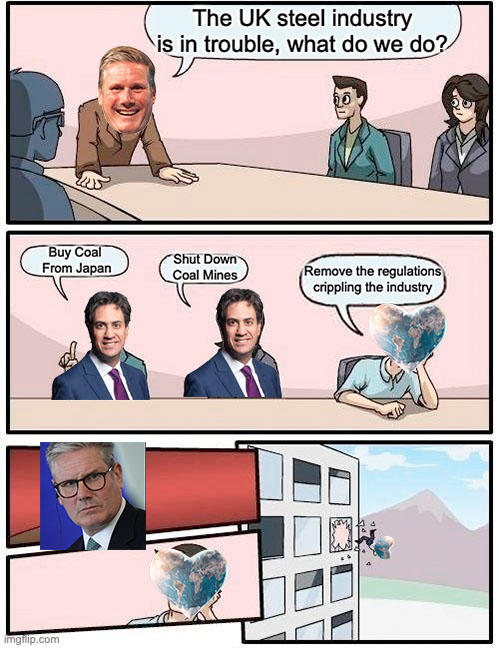
Looks like Keir wants some steel for his theme park
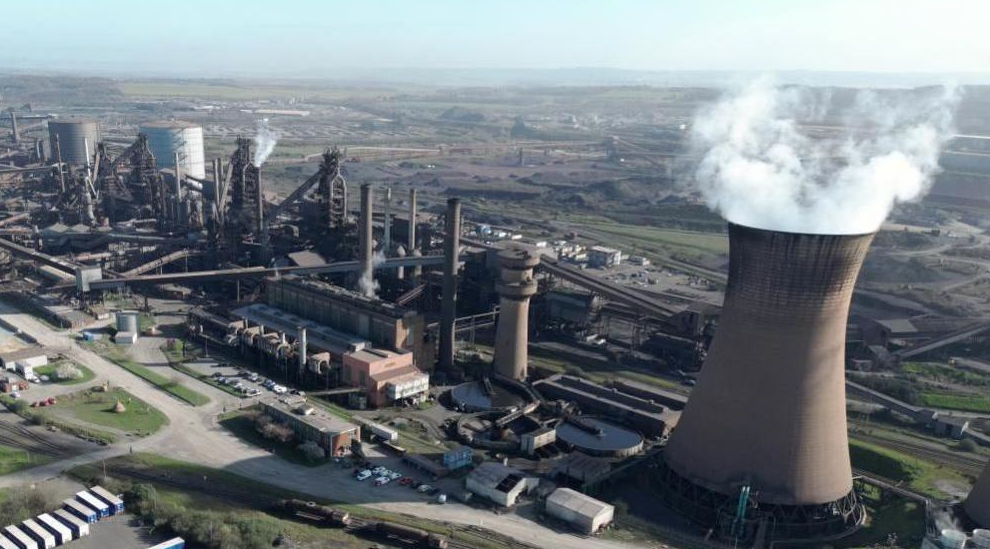
Emergency Legislation To Save Scunthorpe Steel Plant
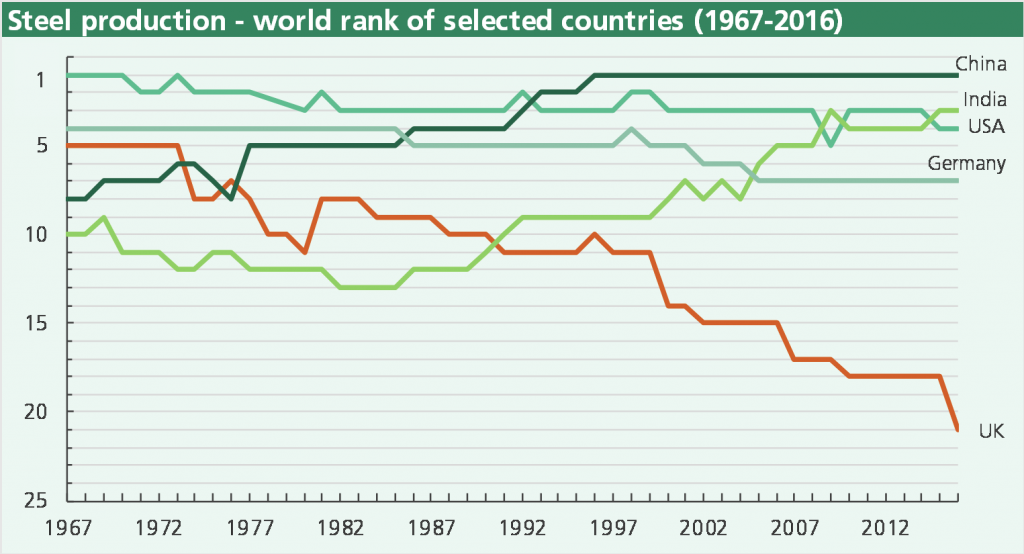
Keir Starmer announced emergency legislation on April 11, 2025, to safeguard British Steel’s Scunthorpe plant, a critical facility employing over 3,000 workers. Perhaps Kier now wants some steel for the new theme park!? Just now, after decades of decline suddenly we clock on and realise we need steel! This announcement is talking the talk, but will the walk be walked?
The UK Steel Industry Is In Trouble - Net Zero Is Massively To Blame
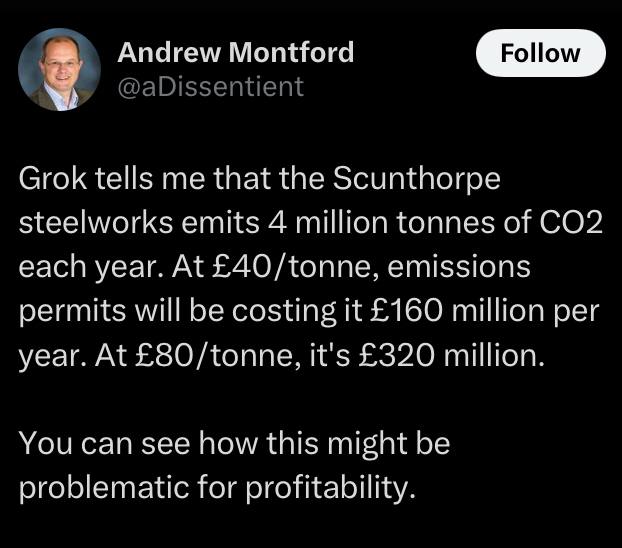
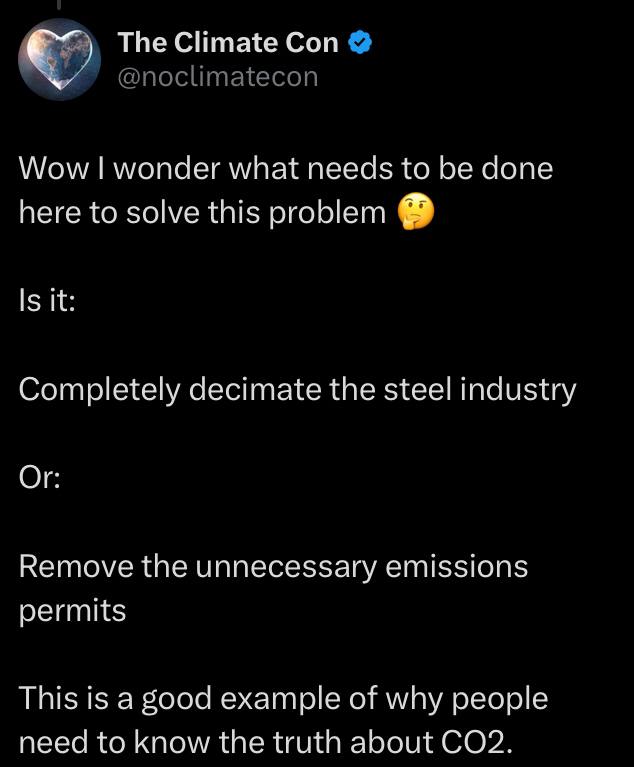
Scunthorpe’s plight is a symptom of deeper issues plaguing the steel sector. Crippling energy costs, among the highest in the developed world, have eroded the industry’s competitiveness. These costs stem directly from the UK’s net zero policies, which have driven up electricity prices through reliance on expensive renewables and the curtailment of domestic fossil fuel production. Compounding this are environmental regulations aimed at slashing CO2 emissions, which impose burdensome compliance costs on steelmakers. Far from being a necessary sacrifice, this anti-CO2 crusade is misguided. Carbon dioxide is a natural component of the atmosphere, vital for plant life and ecosystems, and its vilification rests on shaky scientific ground.
After the closure of the last blast furnace in Port Talbot, Wales, Scunthorpe remains the last steel plant of the only four left in the country that can produce steel.
A blast furnace is a huge industrial installation where iron ore, coke, a type of coal, and limestone are combined at extremely high temperatures (over 1,500°C) to produce liquid iron, also known as hot metal. This is then either cast into pig iron or refined further into steel through additional processes like a Basic Oxygen Furnace.
Why they matter:
They are the core of primary steelmaking — producing steel from raw materials (iron ore and coal).
Blast furnaces allow a country to make its own steel from scratch without relying on importing semi-finished steel products (like billets or slabs) from other countries.
They support heavy industries, defence, infrastructure, and strategic resilience.
If Scunthorpe’s blast furnaces shut:
The UK would no longer have any capability to produce primary steel from raw materials on its own soil.
The only remaining steel production would come from electric arc furnaces (EAFs), which recycle scrap steel rather than making it from iron ore.
EAFs can’t produce certain grades of steel needed for:
Large infrastructure projects
High-spec engineering applications
Defense and shipbuilding industries
Rail and some aerospace applications
Meaning:
The UK would become entirely dependent on imported semi-finished steel products from other countries like China, Turkey, or India for certain key steel grades.
This raises issues for national security, industrial sovereignty, and economic resilience.
Educating People On The Truth About CO2 Helps To Save Our Steel Industry
The Steel Industry Crisis Summed Up
Continue Your Learning

36-Year High: They Said The Great Barrier Reef Was Dying. Then It Recorded The Most Coral Since Monitoring Began
In 2022 Australia’s official reef monitors recorded the most coral on the northern and central Great Barrier Reef in 36 years. Ten years earlier, the forecast was 5–10%.
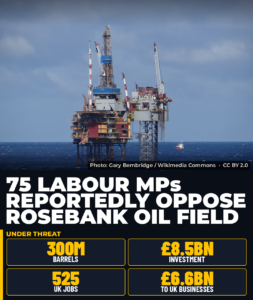
75 Labour MPs Reportedly Want 300 Million Barrels Of British Oil Left In The Ground. So We Just Import It Instead?
A reported 75 Labour MPs have signed a letter against Rosebank, around 300 million barrels of oil west of Shetland. Stop it and Britain loses £8.5bn of investment and 525 UK jobs, and still buys the oil, just from abroad.
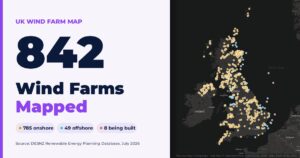
Wind Farm Map UK
Every operational UK wind farm on one map: 834 sites and 31,519 MW (31.5 GW) from the government’s DESNZ Renewable Energy Planning Database, July 2026 extract.
What Is A Photochrom?
A photochrom is a colour ink print made from a black-and-white photograph, produced and sold mainly from the 1890s to the 1910s. That is why these views are such useful dated evidence of historic coasts.
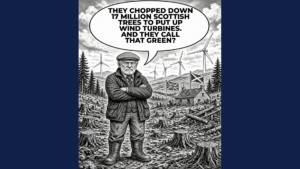
17.2 Million Trees, 8,611 Hectares, And That’s Only Public Land
Forestry and Land Scotland recorded 8,611 hectares felled for wind farms on Scotland’s national forest since 2000, about 17.2 million trees. Private forests are not included.
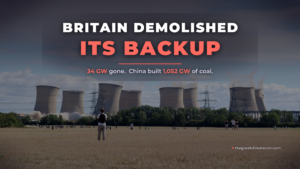
Britain Demolished Its Backup: 34 GW of Reliable Power Gone While China Built 1,052 GW of Coal
Britain closed 33.9 GW of coal and oil plant from 21 stations now demolished, being pulled down, or otherwise taken off the grid. In the same years China commissioned 1,052 GW of new coal, about 31 times as much. When transmission-metered wind averaged just 0.60 GW on 8 November, the grid leaned on gas and paid emergency prices.