


The Media Isn't Scaring People Enough - The Guardian
Imagine being upset that the news isn’t terrifiying enough
In a rare outbreak of journalistic sanity, analysis of nearly 2,500 UK media articles about June’s warm weather found that almost three-quarters made no attempt to link it to the supposed “climate crisis.” Barbecues were had, sunbathers rejoiced and some went for a swim. The usual suspects at the climate cult are furious that most outlets refused to turn it into yet another end-of-the-world segment.
The Energy and Climate Intelligence Unit (a fine name for a pressure group that exists to keep the grants flowing) combed through coverage in the big nationals from 22–28 June. Their shocking discovery: roughly 72% of stories about “extreme heat” or “heatwave” skipped any reference to global warming, climate change, or the approved doomsday vocabulary. Even fewer, under one in twenty, bothered mentioning “net zero,” that magical policy that somehow solves everything by making electricity expensive and industry flee the country.
Imperial College London duly produced its annual modelling exercise claiming around 2,700 people died from overheating in May and June, with about 1,100 of those deaths supposedly caused by the extra heat from human emissions. These are the same sorts of models that have spent decades forecasting imminent catastrophe while the actual body count from cold remains far higher every year, thats before we get into the fiddling of the numbers.
Ed Hawkins, professor of climate science at the University of Reading, told anyone who would listen that the public desperately needs the media to explain the crisis better during warm weather. Translation: the people keep failing to panic on schedule, so we need louder megaphones and fewer awkward questions about why the promised apocalypse keeps being postponed.
The ECIU’s Gareth Redmond-King insisted the link between recent heat and climate change is “indisputable” and that net zero is the medicine. If recent heatwaves are the symptom, he said, climate change is the illness. Many readers have started to suspect the illness narrative is mostly a convenient way to sell expensive medicine that doesn’t work very well and hurts the poor hardest.
When the numbers were broken down by outlet, the usual pattern emerged. The Guardian and Financial Times led the field in dutifully inserting climate crisis references into heat stories. The Independent was prolific but still only managed it in about 39% of pieces. The Mail managed around a fifth. The Express managed about one in eight.
At the bottom, or, depending on your perspective, the top, sat the Sun with just 6% of its heatwave stories mentioning the crisis, and the Mirror at 9%. These outlets apparently decided readers might prefer actual weather reporting, beach photos, and practical advice over another lecture about how your car and your steak are destroying the planet. When liveblogs and minor updates were stripped out, the proportions barely changed. The public, it seems, is not demanding wall-to-wall climate guilt with their heatwave coverage.
A Guardian spokesperson naturally boasted that their paper “leads the way” in climate reporting, has published hundreds of articles mentioning the climate crisis or emergency already this year, updated its style guide years ago to push the approved language, banned fossil fuel advertising, and achieved various virtuous certifications. One can almost hear the self-congratulatory tone over the sound of readers quietly switching to outlets that report the weather without the sermon.
The other papers were approached for comment and presumably responded with variations of “we reported the actual temperatures and what it felt like to live through them.”
The climate has always changed and will continue to do so. Human influence on temperatures is miniscule, so turning every warm spell into proof of an existential crisis requiring immediate economic self-harm has started to wear thin. People notice when the promised catastrophes fail to arrive while their energy bills and the price of everything else keep climbing in the name of “solutions” that cause more problems.
The outlets that mostly ignored the crisis narrative during the June heatwave weren’t being negligent. They were reading the room. The public has grown tired of being told that normal weather events are proof the sky is falling and that the only answer is more taxes, more restrictions, and more lectures from people who fly private jets to climate conferences. As seen in the latest YouGov Poll.
The fear peddlers are losing the public. The numbers from this analysis make that rather obvious. And no amount of modelling, style-guide updates, or self-awarded virtue badges is going to change it.
We're Doing A Thousand Mile Walk With The Board
Thanks to the support of the community I’ve now purchased this board and have started waking up the people with it. Soon I will do a 1000 mile walk. It would be great if you were to join and support!
This Story Is Funded By Readers Like You
Climate Common Sense
The Beginners Guide To The Climate Con
Continue Your Learning

36-Year High: They Said The Great Barrier Reef Was Dying. Then It Recorded The Most Coral Since Monitoring Began
In 2022 Australia’s official reef monitors recorded the most coral on the northern and central Great Barrier Reef in 36 years. Ten years earlier, the forecast was 5–10%.
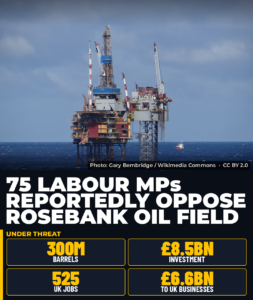
75 Labour MPs Reportedly Want 300 Million Barrels Of British Oil Left In The Ground. So We Just Import It Instead?
A reported 75 Labour MPs have signed a letter against Rosebank, around 300 million barrels of oil west of Shetland. Stop it and Britain loses £8.5bn of investment and 525 UK jobs, and still buys the oil, just from abroad.
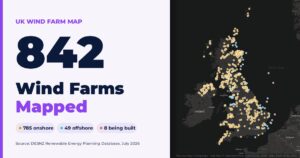
Wind Farm Map UK
Every operational UK wind farm on one map: 834 sites and 31,519 MW (31.5 GW) from the government’s DESNZ Renewable Energy Planning Database, July 2026 extract.

What Is A Photochrom?
A photochrom is a colour ink print made from a black-and-white photograph, produced and sold mainly from the 1890s to the 1910s. That is why these views are such useful dated evidence of historic coasts.

17.2 Million Trees, 8,611 Hectares, And That’s Only Public Land
Forestry and Land Scotland recorded 8,611 hectares felled for wind farms on Scotland’s national forest since 2000, about 17.2 million trees. Private forests are not included.
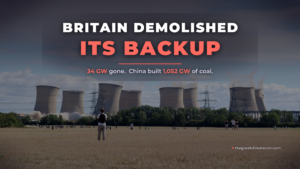
Britain Demolished Its Backup: 34 GW of Reliable Power Gone While China Built 1,052 GW of Coal
Britain closed 33.9 GW of coal and oil plant from 21 stations now demolished, being pulled down, or otherwise taken off the grid. In the same years China commissioned 1,052 GW of new coal, about 31 times as much. When transmission-metered wind averaged just 0.60 GW on 8 November, the grid leaned on gas and paid emergency prices.
Track The Cost Of Net Zero
Stay ahead of the transition with real-time cost monitoring and optimization tools.
Access Cost Trackers →