
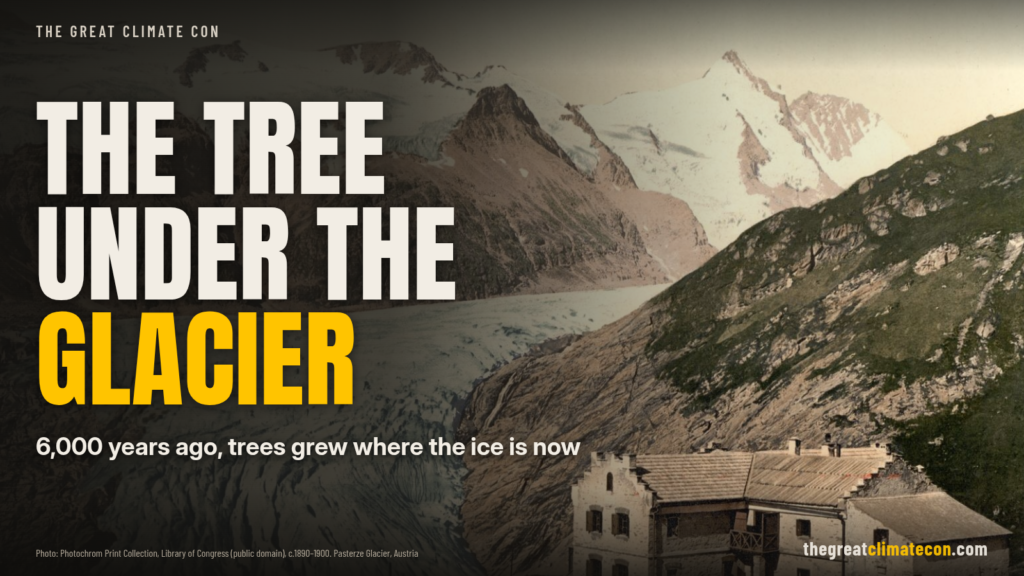
A Swiss Stone Pine, 1.7 Tonnes, From Under The Ice
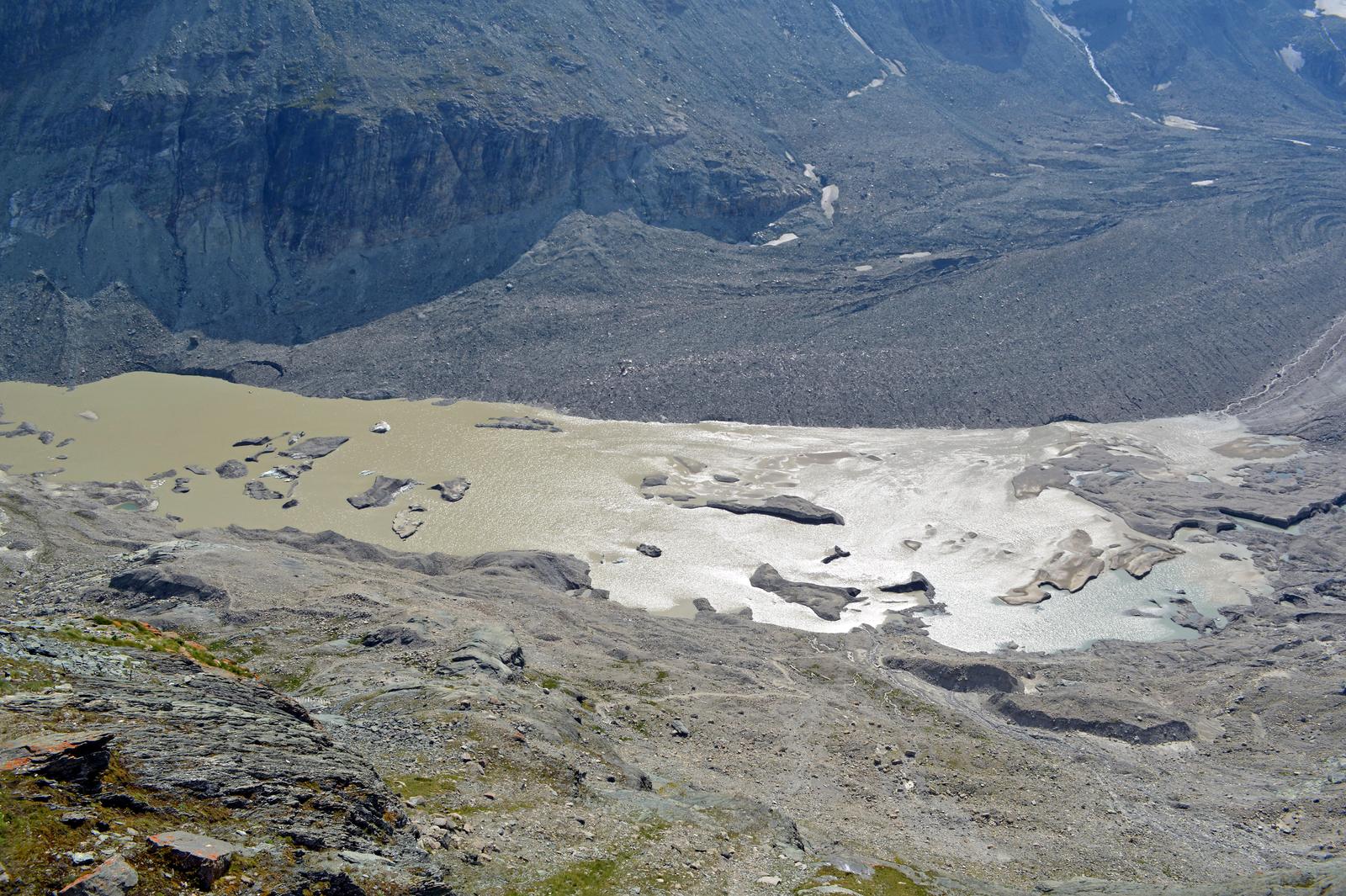
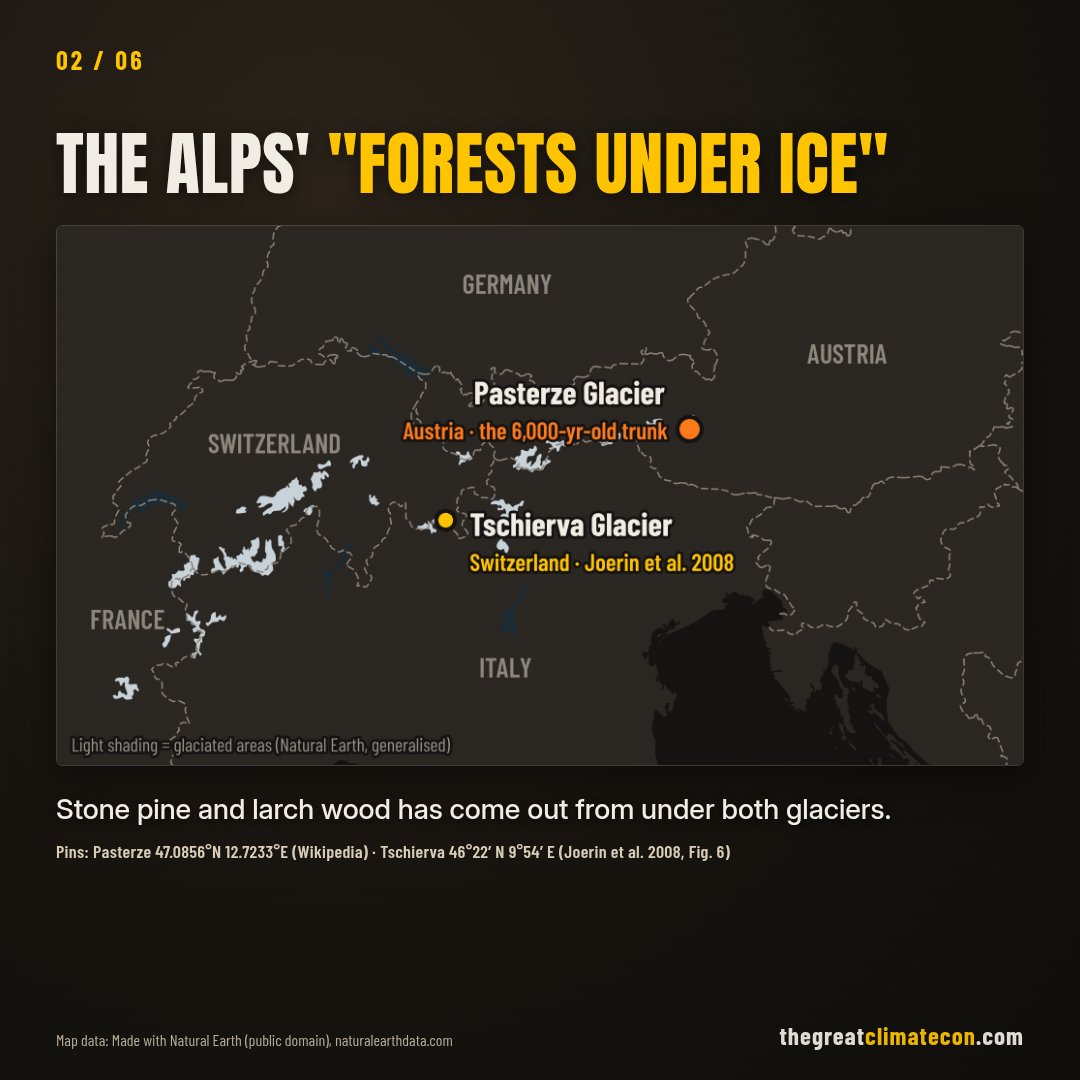
The glacier is the Pasterze, at the foot of the Grossglockner in Carinthia, inside the Hohe Tauern National Park. It is the largest glacier in Austria and in the whole of the Eastern Alps (ORF Kärnten).
Two employees of the Grossglockner Bergbahnen found the trunk in September 2014, lying in slope sediments in ground the retreating ice had uncovered. On 24 June 2015 it was pulled out by helicopter, with the National Park, the Austrian Alpine Club and the University of Graz all involved (Uni Graz, APA-OTS).
This was no sapling. The tree was at least 140 years old when it came down, and it stood at around 2,060 metres above sea level about 4,000 years before Christ. Sand, gravel and organic material buried it first. Only later did the glacier roll over the top of it (Uni Graz).
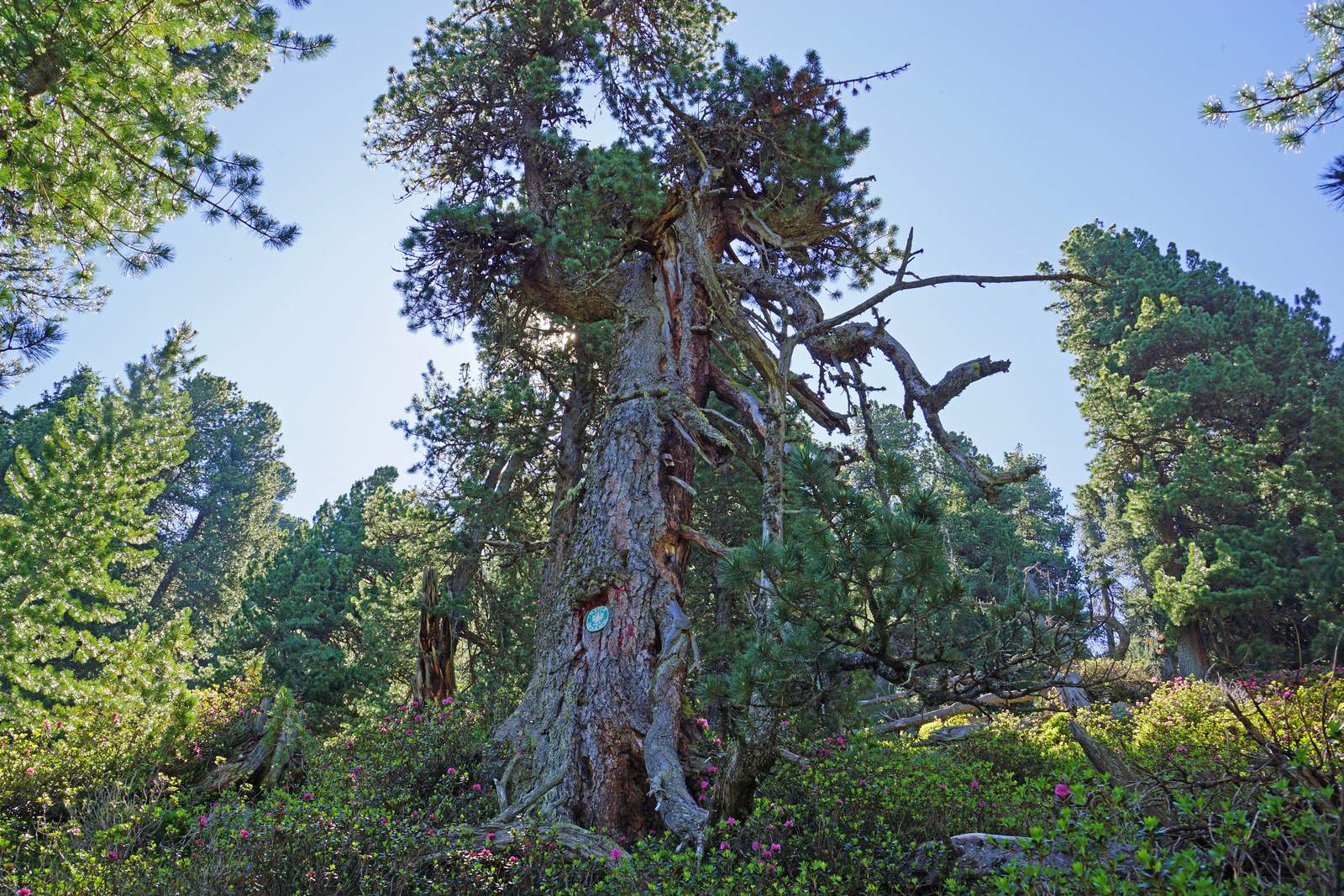
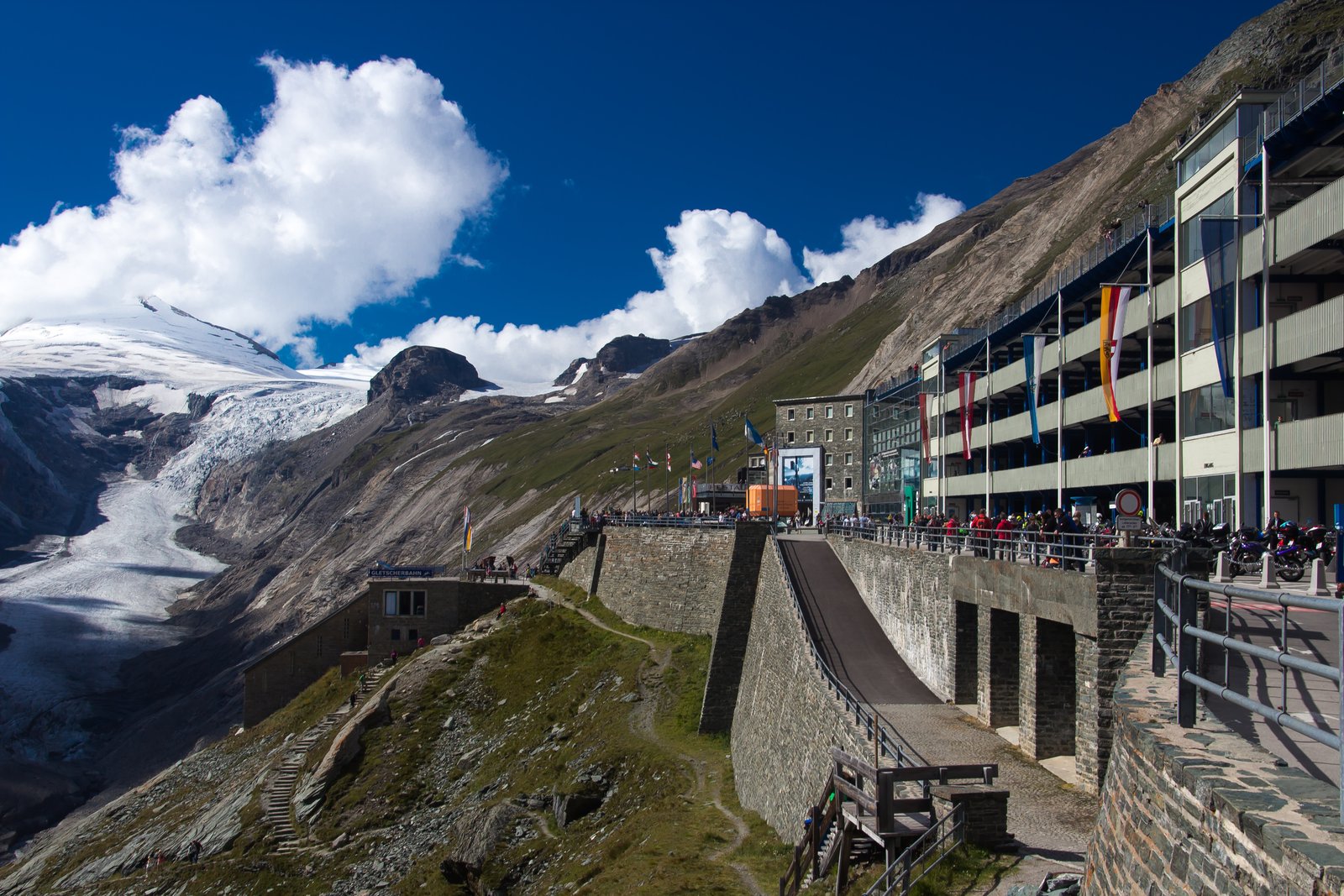
You can go and see it for yourself. The “Gletscherbaum” (glacier tree) is the centrepiece of the free Gletscher.Leben exhibition in the visitor centre at Kaiser-Franz-Josefs-Höhe, 2,369 m up on the Grossglockner High Alpine Road (Alpenverein, Grossglockner).
It’s Not A One-Off
The Pasterze keeps giving these up. In 1990 glacier researcher Heinz Slupetzky found the remains of a stone pine that grew more than 9,000 years ago. Wood and peat that has since come out from under the ice shows tall stone pines growing, where today there is only ice, rubble, sand and water, both 9,000 years ago and between 7,000 and 3,500 years ago (APA-OTS). Peat finds show bog and pasture where the glacier now sits, between 7,300 and 3,300 years ago (science.ORF.at). The peer-reviewed record puts stone pine and larch under the Pasterze from as far back as 8100 BC (Nicolussi & Patzelt 2000).
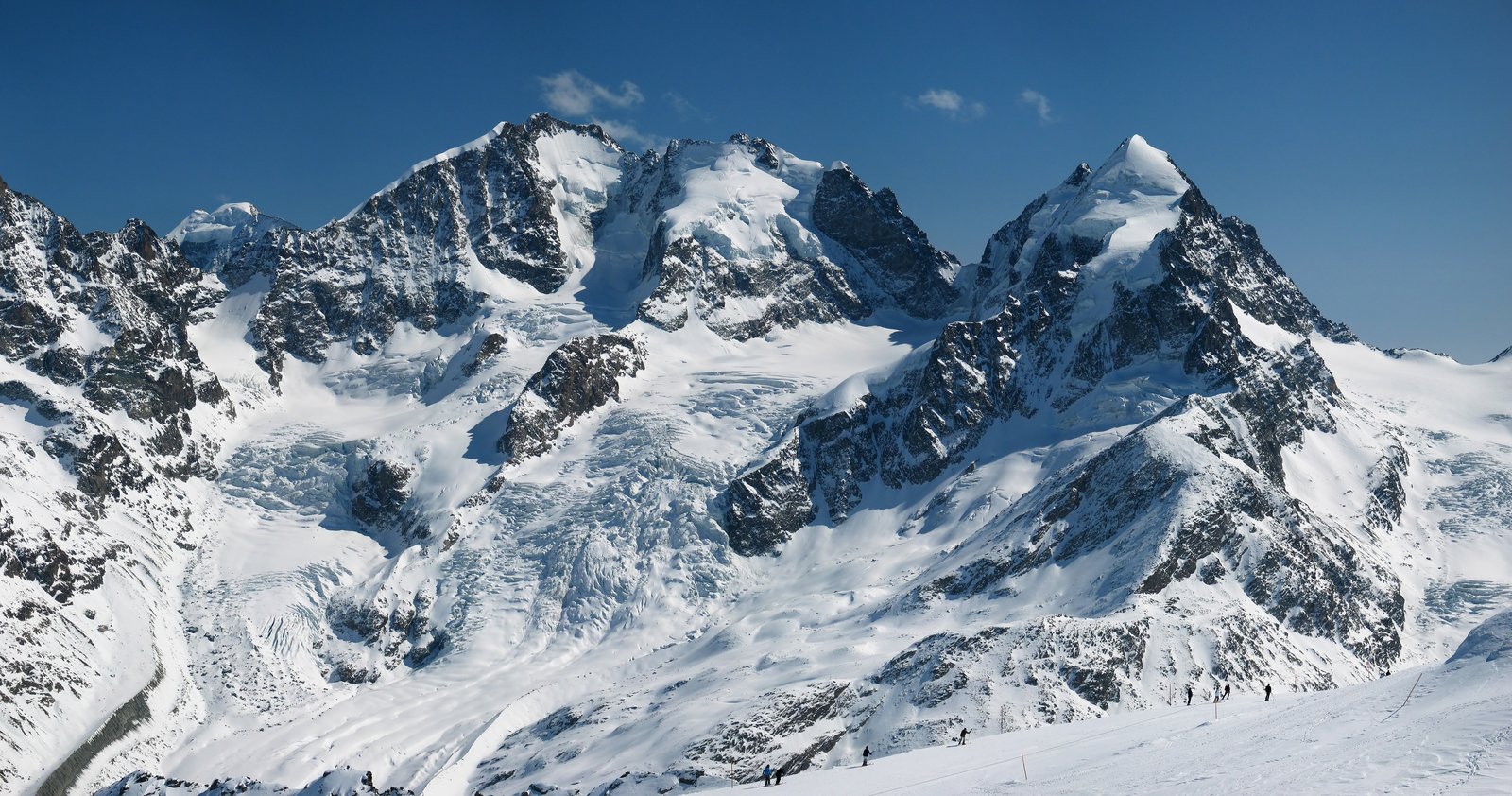
Over the border in Switzerland, the Tschierva Glacier in the Bernina range has done the same. A peer-reviewed study analysed 43 wood samples washed out from under the ice, mostly Swiss stone pine with some larch. They were dated by tree rings and radiocarbon to periods when the glacier was smaller than today: around 9,200 years ago, from 7,450 to 6,650 years ago, and from 6,200 to 5,650 years ago. Those trees grew in a basin that is now under the glacier, and in the paper’s own words, “no trees grow in the modern catchment” (Joerin et al. 2008, Quaternary Science Reviews).
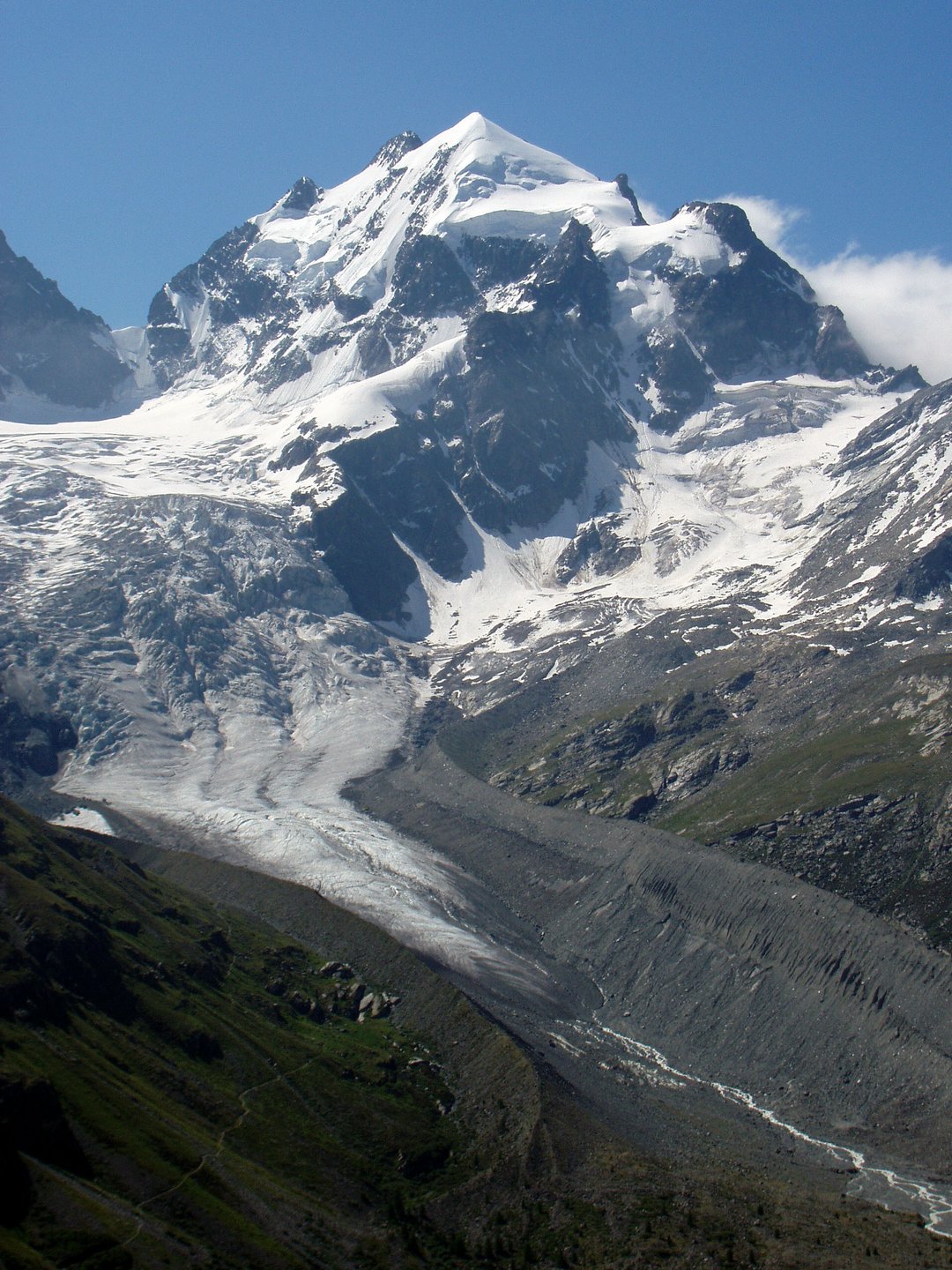
Their estimate of what that means is that Alpine summers back then were about 1.8 °C warmer than in 1960–1985, somewhere between 1 and 2.5 °C depending on rainfall (Joerin et al. 2008).
The Bigger Picture: A Warmer Holocene
This wasn’t just the Alps. A global reconstruction of the last 12,000 years by Kaufman and colleagues, published in Scientific Data, puts the warmest 200 years of the Holocene centred on about 6,500 years ago, at around 0.7 °C warmer than the 19th century (Kaufman et al. 2020; data from NOAA).
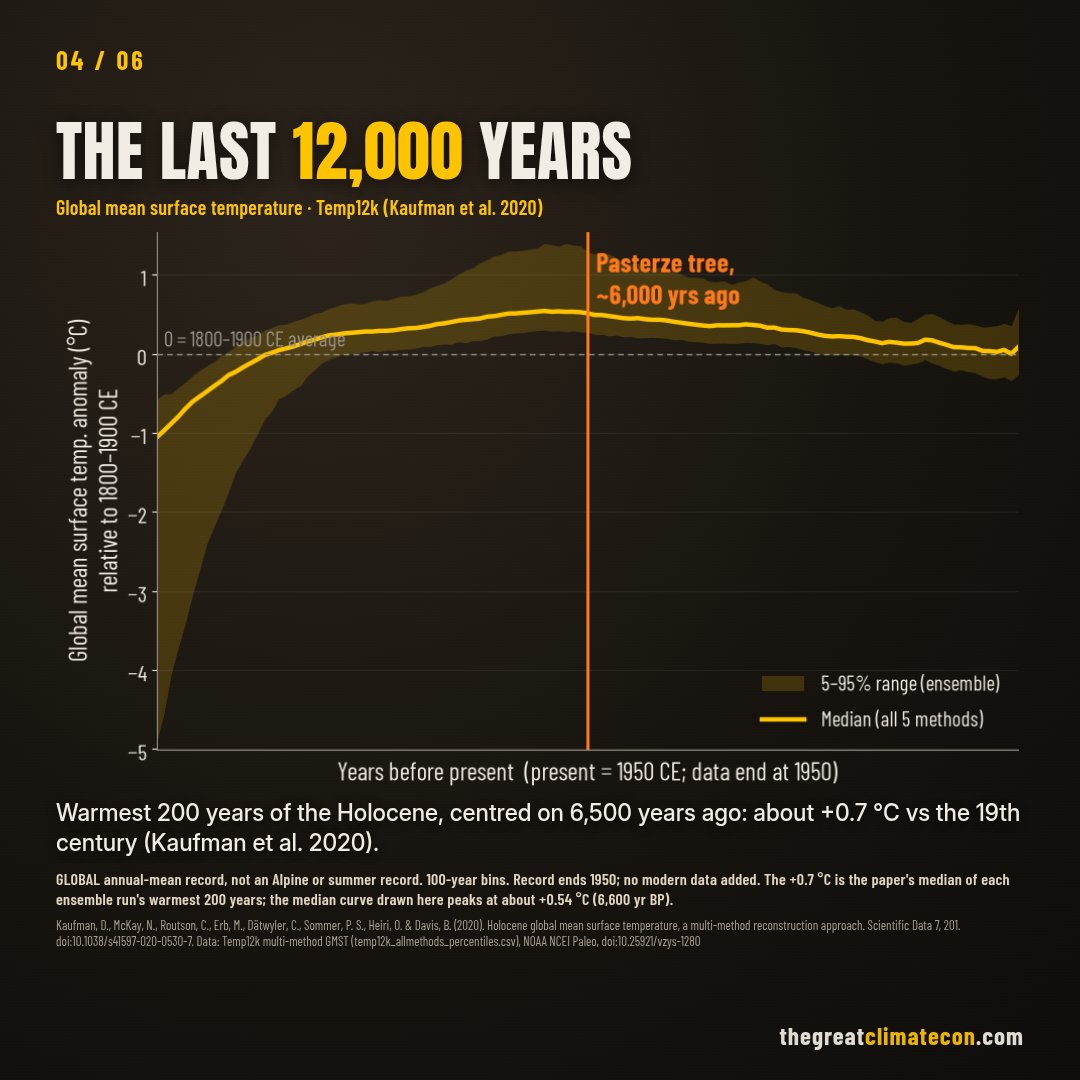
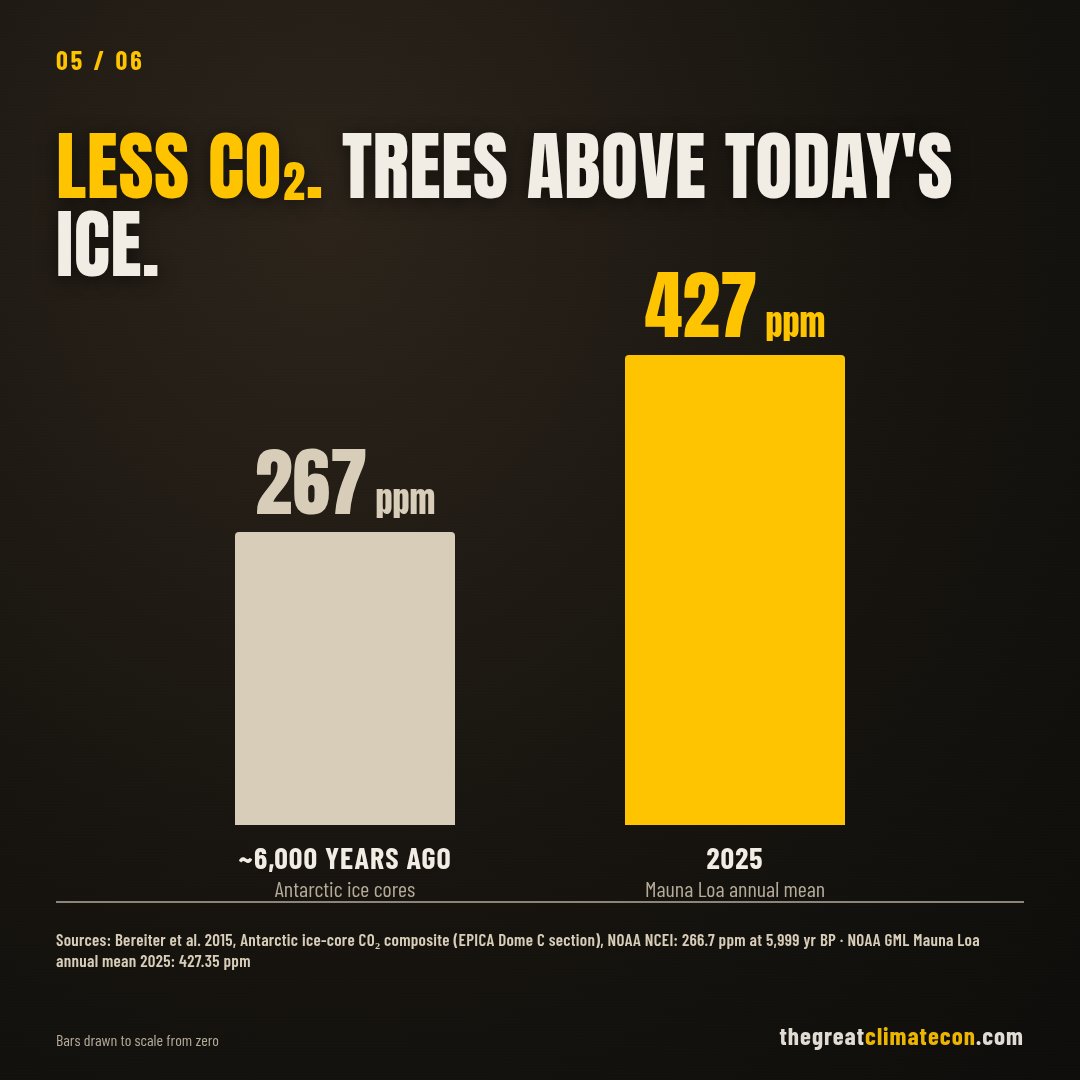
Now for the bit that never makes the evening news. Ice cores from Antarctica show CO₂ in the air about 6,000 years ago was about 267 parts per million (266.7 ppm in the record at 5,999 years before 1950) (Bereiter et al. 2015, NOAA). In 2025 Mauna Loa averaged 427 ppm (NOAA).
So trees grew where glaciers sit today, and Alpine summers were warmer than in the 1960s to 80s, with about 160 ppm less CO₂ in the air.
Then And Now At The Pasterze
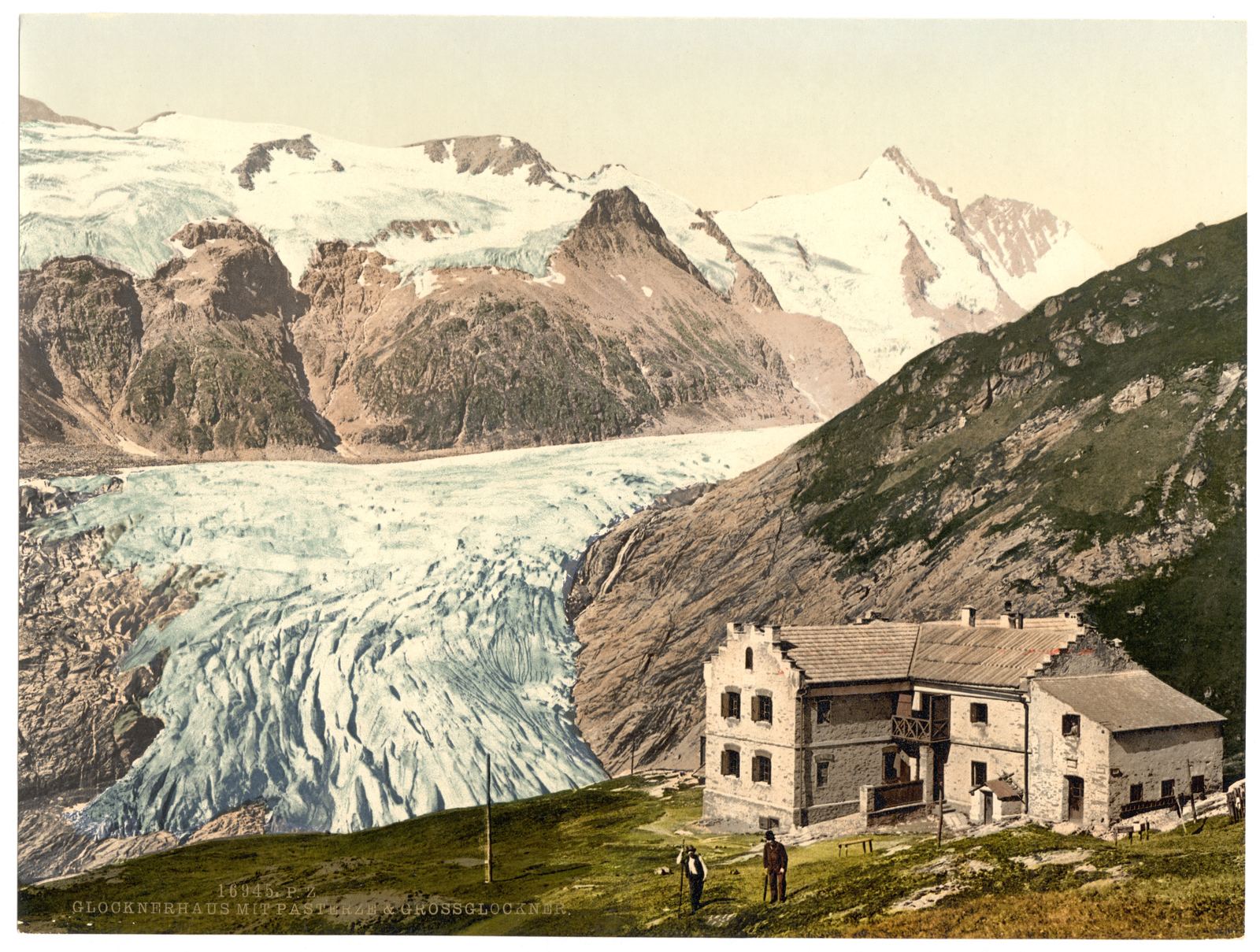
The ice has been going back and forth for thousands of years. Since the Holocene began, about 11,500 years ago, the Pasterze has never been bigger than at its high point of 1852–1856, and it has often been much smaller than it is today (ORF Kärnten). Alpine glaciers have been retreating more or less steadily since the middle of the 19th century (Uni Graz).
Here is the Pasterze from the Glocknerhaus around 1890–1900:
And here it is in August 2024, with the sign marking where the ice stood in 1965:
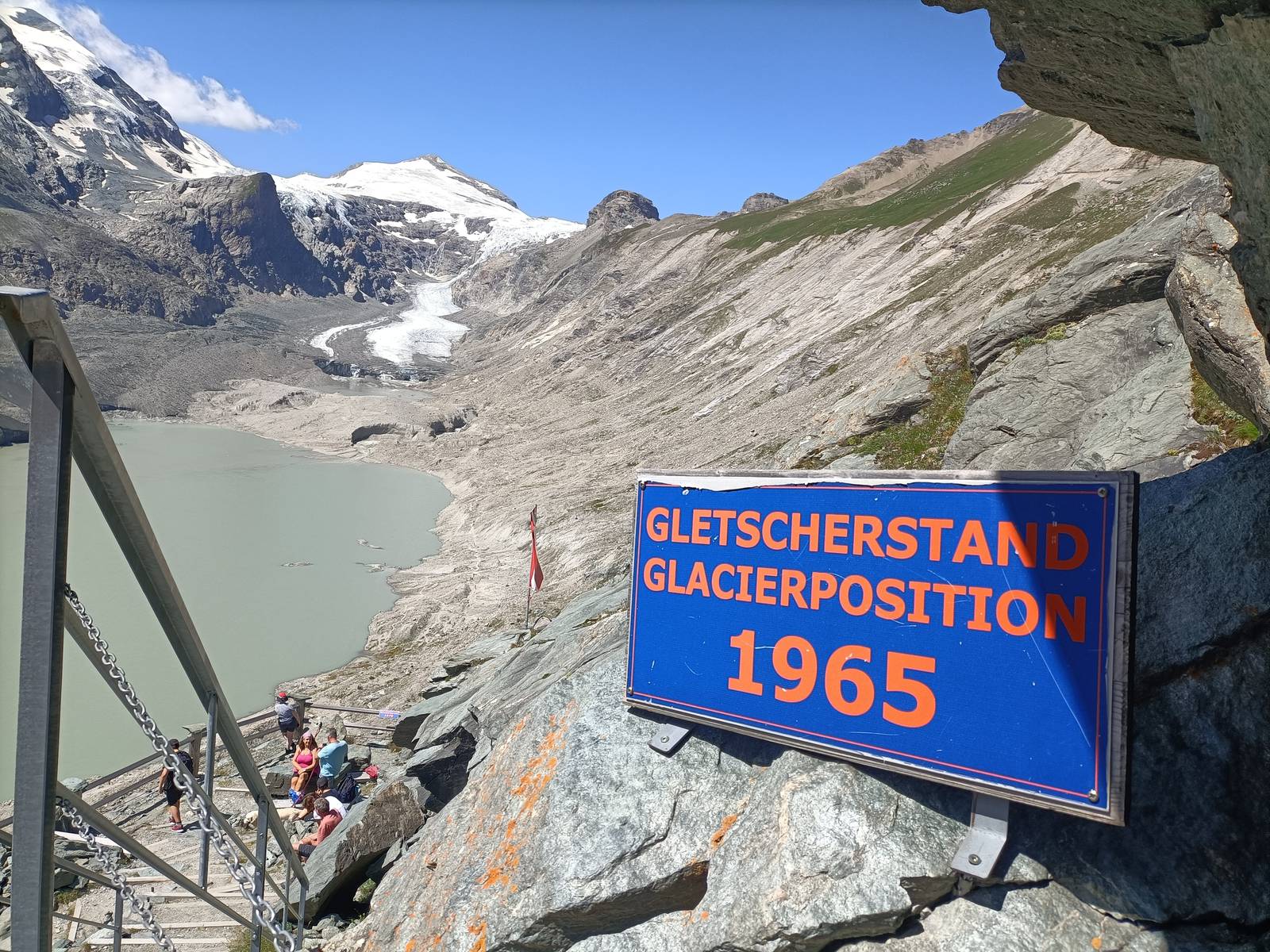
As the ice goes back, it hands over the forest that was standing there before it came.
Climate Has Always Changed
None of this is fringe. It comes from the University of Graz, Austria’s public broadcaster, peer-reviewed glacier science and NOAA’s own data. Ancient forests under retreating glaciers, warmer Alpine summers thousands of years ago, CO₂ well below today’s level. Yet the story we’re sold is that a shrinking glacier can only mean one thing.
Climate has always changed. Ask why that’s left out of the story.
The truth is on our side.
If you want to go deeper into how fast the climate has changed before, read The Younger Dryas Problem For Climate Alarmism. And if you’re having these debates out in the real world, the Climate Con Conversation Mastery Course is free for members.
Discover, Understand, Liberate.
Sources: Uni Graz 2015 · ORF Kärnten 2015 · APA-OTS 2015 · science.ORF.at 2014 · Alpenverein 2017 · Nicolussi & Patzelt 2000 · Joerin et al. 2008 · Kaufman et al. 2020 · Bereiter et al. 2015 (NOAA) · NOAA Mauna Loa



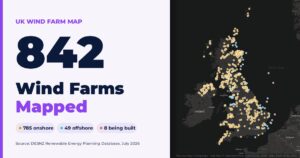
Wind Farm Map UK
UK Wind Farm Map: 834 Operational Wind Farms Onshore operational 785 15,508.35 MW Offshore operational 49 16,011 MW Offshore under construction 8 11,845 MW Open

What Is A Photochrom?
A photochrom is a colour ink print made from a black-and-white photograph, produced and sold mainly from the 1890s to the 1910s. That is why these views are such useful dated evidence of historic coasts.
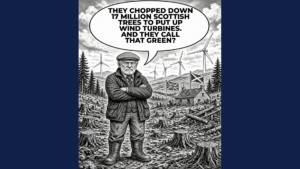
17.2 Million Trees, 8,611 Hectares, And That’s Only Public Land
17.2 Million Trees, 8,611 Hectares, And That’s Only Public Land Forestry and Land Scotland says 8,611 hectares of woodland have been felled for wind farms
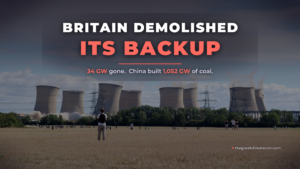
Britain Demolished Its Backup: 34 GW of Reliable Power Gone While China Built 1,052 GW of Coal
Britain closed 33.9 GW of coal and oil plant from 21 stations now demolished, being pulled down, or otherwise taken off the grid. In the same years China commissioned 1,052 GW of new coal, about 31 times as much. When transmission-metered wind averaged just 0.60 GW on 8 November, the grid leaned on gas and paid emergency prices.

33% Ordered, 26.6% Bought: Why Ministers Are Set To Cut Britain’s EV Target As COP31 Opens
Buyers chose 26.6% electric against a legal 33% target. Now ministers are set to cut it, in the same week COP31 opens.

£40m For Caribbean Green Energy Schemes. 5.6 Million British Homes Going Hungry. Charity Begins At Home?
In the 1920s, floods, droughts, storms and wildfires killed around 485,000 people a year. Today it’s about 12,000, on a planet with more than four times as many people. Lucy Biggers asked the question the climate lobby can’t answer: if the climate is so deadly, why doesn’t it show up in the death toll?