20 Years Of Getting It Wrong - Al Gore's Failed Predictions

Why does anyone still take the climate cult seriously?

Two decades have passed since Al Gore’s 2006 documentary An Inconvenient Truth brought climate change to mainstream attention. The film used striking visuals and urgent warnings to frame global warming as an imminent catastrophe, spurring activism, policy debates, and investments in green technologies worldwide. Gore’s fear propaganda clearly worked as it’s estimated over $15 Trillion+ has been spent globally on climate change and net zero. With many more trillions still planned to be spent. What an incredible transference of wealth. If you just so happen to be floating in the flow of this money by being at the top of a wind turbine business or similar then this climate cult scam is good news. For the rest of us The Climate Con is a big reason why our money isn’t going as far with rising prices cause by high electricity and energy prices.


With the benefit of hindsight, it is worth examining how well its most dramatic predictions have held up against real-world data.

Worsening Disasters? The Numbers Tell a Different Story

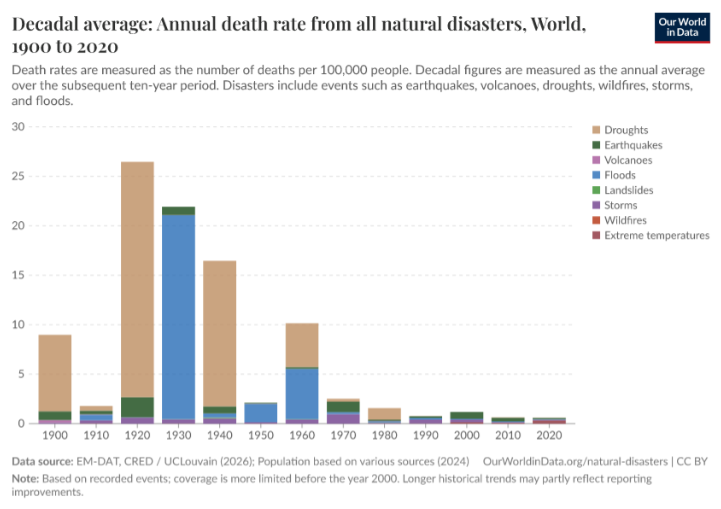
The film portrayed climate change as driving steadily worsening floods, droughts, storms, and wildfires. Yet global trends in human vulnerability show the opposite.Despite the world’s population quadrupling since the 1920s, annual deaths from climate-related disasters (including storms, floods, droughts, and extreme temperatures) have fallen by more than 97 percent—from roughly 485,000 per year in the 1920s to fewer than 10,000 in recent years.
This dramatic improvement stems from greater wealth, better infrastructure, early-warning systems, and stronger institutions, proof that adaptation and development save lives far more effectively than endless alarmism. 

Hurricanes, Wildfires, and Polar Bears

Specific claims in the film have also diverged from observed data:


Hurricanes
: The movie suggested more frequent and intense storms linked to climate change (its poster even depicted a hurricane emerging from a smokestack). Comprehensive satellite records since 1980 show a slight decline in both hurricane frequency and total energy released.

Wildfires: Global burned area has decreased by more than 25 percent over the past quarter-century, according to NASA data. While parts of the United States have seen severe fires due to forest management issues, the 1930s Dust Bowl era was far worse, and burned areas are down across most other continents.

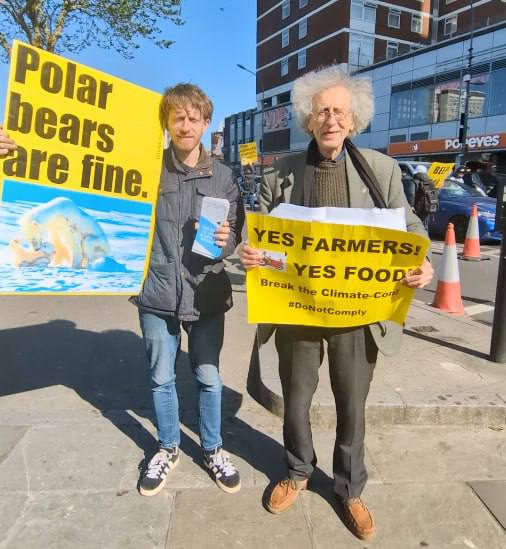
Polar bears: The film famously used polar bears as a symbol of imminent collapse, implying many were drowning as Arctic ice melted. In reality, global polar bear populations have more than doubled, from estimates around 12,000 in the 1960s to over 26,000 today. The main historical threat was overhunting, not climate change.

Policy Impact and Energy Reality

The film helped galvanise calls for rapid emissions cuts. However, global fossil fuel consumption has continued rising because affordable, reliable energy remains essential for growth and poverty reduction.

According to International Energy Agency data, fossil fuels supplied 82.6 percent of the world’s total energy in 2006; by 2023, the share had edged down only slightly to 81.1 percent. On current trends, it would take centuries to reach zero. Global emissions have set new records in most years since the film’s release and thats a good thing because we want more CO2!


Renewable technologies like solar and wind have endless problems their intermittency requires backup power, usually from fossil fuels or other reliable sources. Batteries currently provide only minutes of backup in most grids, meaning societies often pay twice: once for renewables and again for reliability.

The cumulative cost of climate policies since 2006 exceeds $16 trillion globally. In the United States alone, measures such as the Inflation Reduction Act have directed hundreds of billions into green initiatives. Yet these efforts by wealthy nations represent only about 13 percent of projected 21st-century emissions. Even if all rich countries reached net-zero by mid-century, models from the UN climate panel suggest this would avert less than 0.2°F (about 0.1°C) of warming by 2100. Totally pointless to destroy our societies for, especially considering we want this world a bit warmer. 

So basically Al Gore got it all wrong in terms of predictions but got it all right in terms of scaring people for political/financial gain. He’s not alone though, countless doom peddlers have gotten it wrong, just like these 20 failed Arctic Ice Free Predictions.

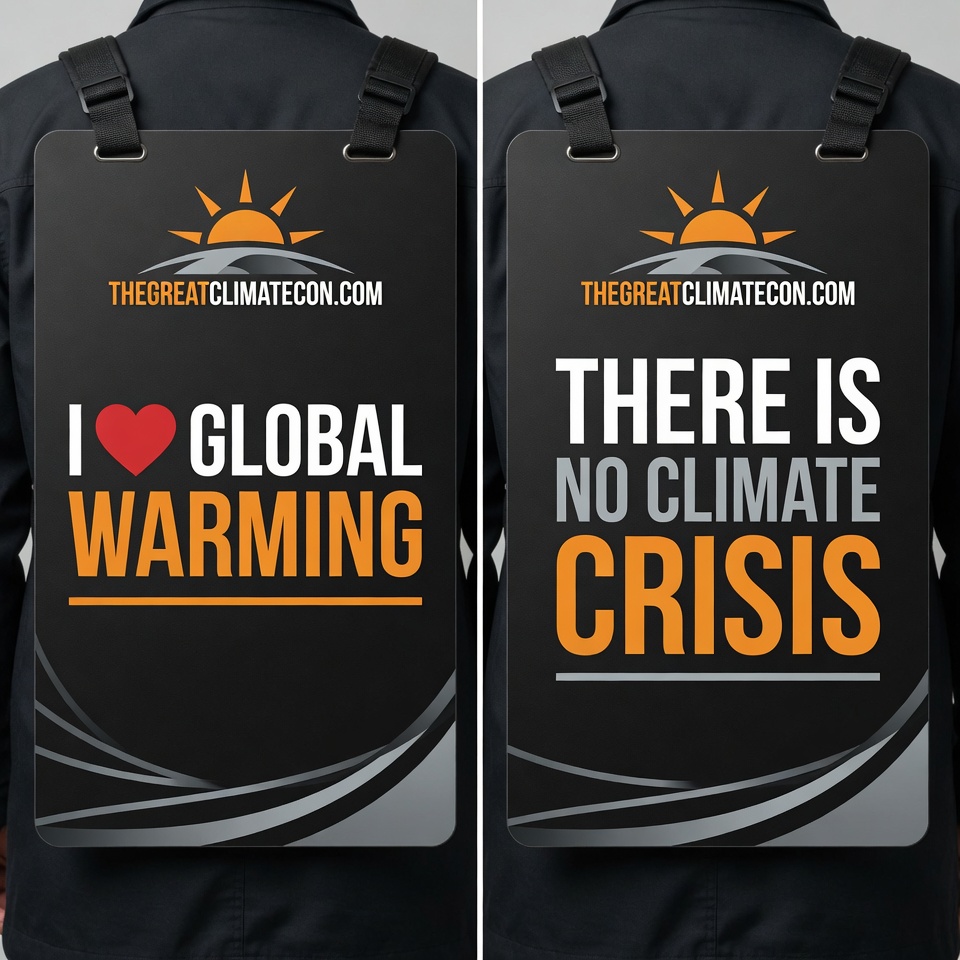
Thanks to the support of the community I’ve now purchased this board and within a week or so will be hitting up the streets to wake up the people. Should be fun. Watch this space!

This Story Is Funded By Readers Like You

Climate Common Sense

The Beginners Guide To The Climate Con

Continue Your Learning

📊

Track The Cost Of Net Zero

Stay ahead of the transition with real-time cost monitoring and optimization tools.

Access Cost Trackers

Leave a Comment